
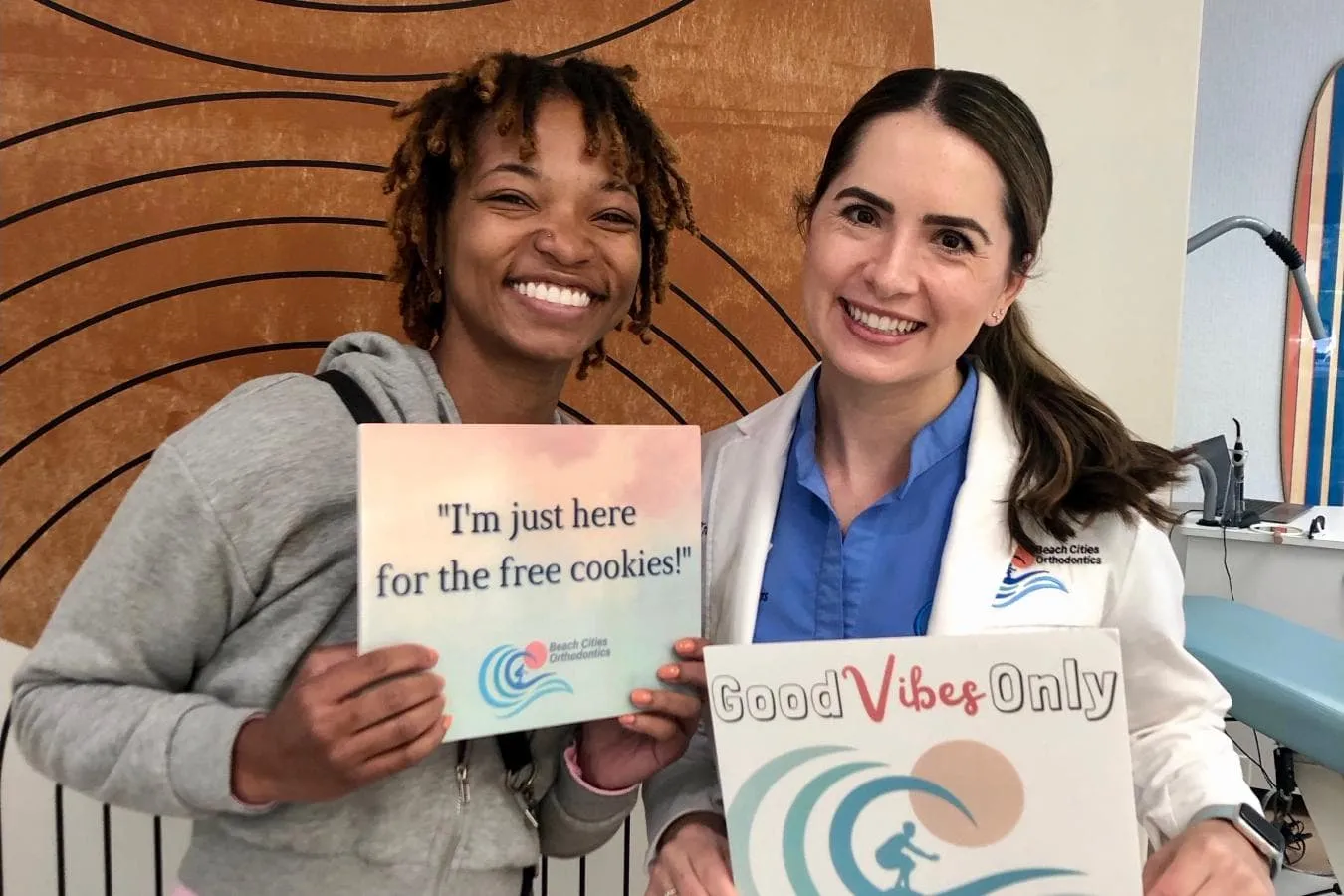
Yes, adults can absolutely get braces, and there’s no upper age limit for orthodontic treatment. If you’ve been wondering whether you missed your window for a straighter smile, here’s the good news: your teeth can move at any age, as long as they’re healthy. Adult braces have come a long way, and today’s treatments fit easily into busy lives.
A significant portion of orthodontic patients today are adults, according to the American Association of Orthodontists. That number keeps growing as more people realize that orthodontics is for everyone, not just teenagers.
What matters most isn’t your age. It’s the health of your teeth and gums. Adults with healthy mouths respond well to orthodontic treatment, and modern treatments make the process more comfortable and discreet than ever. Clear aligners, tooth-colored brackets, and behind-the-teeth braces mean you can upgrade your smile without feeling self-conscious at work or social events.
Maybe you never had braces as a teen. Maybe your teeth shifted over time. Or maybe you want to finish what you started years ago. In each case, adult braces can help you get the smile you’ve always wanted.
Can Adults Get Braces at Any Age?
Absolutely. Adult orthodontic treatment has no upper age limit, and patients in their 30s, 40s, 50s, and well beyond regularly start treatment with great results. The deciding factor isn’t a number on your driver’s license. It’s the condition of your teeth, gums, and supporting bone. With healthy oral tissues, your smile can be reshaped at virtually any stage of life.
How Adult Orthodontic Treatment Works
Adult orthodontic treatment follows a straightforward process led by board-certified orthodontists, though the plan is customized to your specific needs. Here’s what to expect from start to finish.
What Happens at Your First Visit?
Everything begins with a free consult. During this visit, your board-certified orthodontist will:
- Complete a thorough exam of your teeth, gums, and jaw
- Take digital X-rays to see tooth roots and bone structure
- Create 3D scans using technology like iTero digital scanners
- Discuss your goals and what you’d like to achieve
- Review your treatments and answer questions
This information helps create a custom treatment plan designed for your bite and alignment needs.
What Is the Active Treatment Phase?
Once your plan is set, treatment begins. The basic principle is simple: gentle, consistent pressure moves teeth into better positions over time, and your orthodontist fine-tunes the forces along the way.
Depending on your chosen treatment type, this happens through:
- Brackets and wires that guide teeth along a planned path
- Clear aligners that you switch out every one to two weeks
- Additional appliances like rubber bands to correct bite issues
You’ll have regular visits every 4-8 weeks for adjustments or to pick up new aligners, and these check-ins are usually quick, often under 30 minutes.
What Is the Retention Phase?
After your teeth reach their final positions, you’ll wear retainers to keep them there. This phase is critical. Without retainers, teeth naturally want to drift back toward their original spots.
Most adults wear retainers full-time for a few months, then switch to nighttime-only wear. Many people continue wearing retainers at night indefinitely to protect their results.
Benefits of Getting Braces as an Adult
Straightening your teeth as an adult does more than improve your appearance. The benefits extend to your oral health, comfort, and overall quality of life.
What Functional Improvements Can You Expect?
- Better bite alignment means your teeth meet properly when you chew
- Easier cleaning since straight teeth have fewer hard-to-reach spots
- Reduced tooth wear from uneven pressure and grinding
- Less strain on jaw muscles and joints
What Are the Health Benefits?
Crooked or crowded teeth create hiding spots for plaque and bacteria. Over time, this raises your risk of:
- Tooth decay and cavities
- Gum disease and inflammation
- Enamel erosion from uneven wear
- Tooth fractures from improper bite forces and uneven bite issues
Correcting these concerns now can save you from more extensive dental work later.
How Does Treatment Improve Comfort and Relief?
Many adults don’t realize their headaches, jaw soreness, or neck tension connect to their bite. When teeth don’t align properly, your jaw works harder to compensate. This can lead to TMJ discomfort and chronic muscle tension.
Orthodontic treatment addresses the root cause, not just the symptoms.
Will Adult Braces Boost Your Confidence?
Let’s be honest: feeling good about your smile matters. Adults who upgrade their smile often report:
- Smiling more freely in photos and conversations
- Feeling more confident in professional settings
- Less self-consciousness about their appearance
Can Treatment Correct Changes Over Time?
Even if you had braces as a teenager, your teeth may have shifted. This is incredibly common, especially if you stopped wearing your retainer. Adult treatment can correct these changes and give you back the smile you once had.
Types of Braces for Adults: Comparing Your Options
Today’s adults have more choices than ever for straightening their teeth, and finding the right fit really comes down to your lifestyle and treatment needs. The four main treatments most adults consider are traditional metal braces, ceramic (tooth-colored) braces, lingual braces tucked behind the teeth, and clear aligners like Invisalign. They all rely on guided tooth movement, but they look different, feel different day to day, and shine in different scenarios.
At a glance, metal braces deliver dependable results at a friendly price, ceramic braces blend in with your teeth, lingual braces stay completely hidden, and Invisalign offers a removable, nearly invisible experience for many adult cases.
| Treatment Type | Visibility | Typical Duration | Best For |
|---|---|---|---|
| Metal Braces | Most visible | 12-24 months | Complex cases, value-focused patients |
| Ceramic Braces | Tooth-colored, subtle | 12-24 months | Those wanting less visible fixed braces |
| Lingual Braces | Hidden behind teeth | 18-36 months | Professionals needing complete discretion |
| Invisalign | Nearly invisible | 12-18 months | Mild to moderate cases, lifestyle flexibility |
What Are Traditional Metal Braces?
Metal braces remain the most versatile and often most accessible treatment for adult braces. Modern brackets are smaller and more comfortable than those from decades past. They work well for virtually any orthodontic issue, from simple crowding to complex bite issues.
Pros: Highly effective, value-friendly, no compliance concerns
Cons: Most noticeable appearance
How Do Ceramic Braces Work?
Ceramic braces work like metal braces but use tooth-colored or clear brackets that blend with your teeth. The wires can also be coated to appear less noticeable.
Pros: Less visible than metal, same effectiveness
Cons: Slightly higher price, brackets can stain without proper care
What Are Lingual Braces?
These braces attach to the back surfaces of your teeth, making them completely hidden from view. They’re a great choice for adults who need the power of traditional braces but can’t have visible orthodontic work.
Pros: Completely invisible from the front
Cons: Higher price, adjustment period for speech, not available everywhere
How Does Invisalign Work for Adults?
Invisalign uses a series of custom-made clear plastic trays to gradually shift your teeth. You wear each set for about one to two weeks before moving to the next. The aligners are removable, so you can take them out to eat, brush, and floss.
The removable design fits easily into busy professional and social schedules, which is why so many busy adults choose it.
Pros: Nearly invisible, removable, comfortable
Cons: Requires discipline to wear 20-22 hours daily, not ideal for severe cases
How Much Do Adult Braces Run?
Adult braces typically run from about $3,000 to $8,000 or more, depending on the treatment type, case complexity, and length of treatment. Metal braces tend to fall on the lower end, while lingual braces and Invisalign for complex cases can sit higher in the range.
Pricing is a practical consideration for most adults thinking about orthodontic treatment. Knowing what shapes your total helps you plan effectively.
Adult braces pricing typically depends on:
- Treatment type: Metal braces generally run less than Invisalign or lingual braces
- Case complexity: More severe alignment or bite issues require longer treatment
- Treatment duration: Longer treatment times raise the total
- Geographic location: Pricing varies by region and practice
How Does Insurance Coverage Work?
Many dental insurance plans include orthodontic benefits, even for adults. Coverage often falls in the range of $1,000 to $3,000 toward treatment, though the exact amount varies by plan. Check with your insurance provider to understand your specific benefits.
How Can You Make Treatment Affordable?
Don’t let pricing questions stop you from exploring your treatments. Most practices offer ways to make treatment fit your life:
- Low down payments to get started without a large upfront amount
- Low monthly payment plans that spread amounts over your treatment time
- HSA and FSA funds can be used for orthodontic treatment
- Payment calculators to estimate your monthly amounts before committing
During your free consult, you’ll get a clear breakdown of pricing and financial info. No surprises.
Are You a Good Candidate for Adult Braces?
Most adults with healthy teeth and gums are good candidates for orthodontic treatment. A board-certified orthodontist will look at a few specific factors to determine whether you’re ready to start and which treatment will work best for you.
What Are the Requirements for Treatment?
Healthy teeth and gums come first. Before starting braces or aligners, any existing dental concerns need attention:
- Active gum disease must be treated and controlled
- Cavities should be filled
- Damaged teeth may need restoration
Once your mouth is healthy, orthodontic treatment can begin safely.
Who Benefits Most from Adult Braces?
Adults with the following concerns typically see excellent results from treatment:
- Crowded or overlapping teeth
- Gaps between teeth
- Overbite, underbite, or crossbite
- Teeth that don’t meet properly when chewing
- Jaw soreness or TMJ symptoms related to bite alignment
When May Surgery Be Needed?
Some adults have skeletal concerns, meaning the jaw bones themselves are positioned incorrectly, not just the teeth. Severe cases may require surgical orthodontics, which combines jaw surgery with braces for full correction.
Your orthodontist will identify this during your initial exam if it applies to you.
Why Does Commitment Matter?
Successful treatment requires your participation:
- Keeping all scheduled visits
- Maintaining excellent oral hygiene
- Wearing rubber bands or aligners as directed
- Following dietary guidelines with braces
- Wearing retainers after treatment
Adults who stick with the process consistently get great results.
How Can You Find Out for Sure?
The best way to know if you’re a candidate? Request a free consult with a board-certified orthodontist. A good practice will examine your teeth, discuss your goals, and recommend the best path forward, with no obligation, just information to help you decide.
Frequently Asked Questions About Adult Braces
How long do adults typically wear braces?
Most adult orthodontic treatment takes between 12 and 36 months, with many cases falling in the 18-24 month range. Simple spacing concerns may resolve faster, while complex bite issues take longer. Your orthodontist will give you an estimated timeline during your free consult based on your individual needs.
Are braces more uncomfortable for adults than for teenagers?
Not really. You’ll feel some soreness, but it’s about the same experience teens describe. Mild tenderness is normal for a few days after getting braces and following adjustments. Over-the-counter relievers and soft foods help during adjustment periods, and most adults find the soreness manageable and short-lived.
Will braces affect my work or social life?
With today’s discreet treatments, braces don’t have to impact your professional or social life. Clear aligners like Invisalign are nearly invisible. Ceramic braces blend with your teeth, and lingual braces hide completely behind them. Many adult professionals go through entire treatment periods with coworkers never noticing.
Can I get braces if I had them as a teenager?
Absolutely. Retreatment is more common than you might think. Teeth naturally shift throughout life, and many adults who had braces as teens find their teeth have moved, especially if they stopped wearing their retainer. It’s never too late to get back the results you once had.
Do braces work slower for adults?
Slightly, yes. Adult teeth move a bit more slowly than children’s teeth because adult bone is denser and fully developed. The difference is modest, though, and doesn’t dramatically extend treatment time. Healthy adults of any age can achieve successful orthodontic results when working with an experienced orthodontist.
What happens if I don’t fix my bite issues?
Leaving bite and alignment concerns untreated can lead to worsening concerns over time. Teeth may continue shifting, creating more crowding. Uneven wear can damage enamel and increase fracture risk. Gum disease becomes more likely in hard-to-clean areas, and jaw soreness or TMJ symptoms may intensify. Addressing these concerns now prevents more extensive treatment later.
Is there an age limit for getting braces?
Nope, no upper age limit exists for orthodontic treatment. Adults in their 50s, 60s, 70s, and beyond successfully straighten their teeth every day. The requirement is healthy teeth and gums, not a specific age. A free consult can confirm whether treatment is right for you.
How do I care for my teeth during treatment?
Good oral hygiene becomes even more important during orthodontic treatment. With braces, brush after every meal and use special tools like floss threaders or water flossers to clean around brackets. With aligners, brush before putting them back in and clean the aligners daily. Regular dental cleanings throughout treatment help maintain healthy teeth and gums.
Curious about your treatments? A great smile radiates great vibes at any age. Learning about modern adult braces is a smart first step, and a board-certified orthodontist can answer your specific questions, walk you through the treatments that fit you best, and help you understand what to expect along the way.