If your child’s smile is already showing signs of crowding, spacing issues, or a developing bite problem, you might be wondering whether early treatment could help. Invisalign First offers a fresh take on Phase 1 orthodontics, working with your child’s growing smile rather than waiting for all their permanent teeth to arrive.
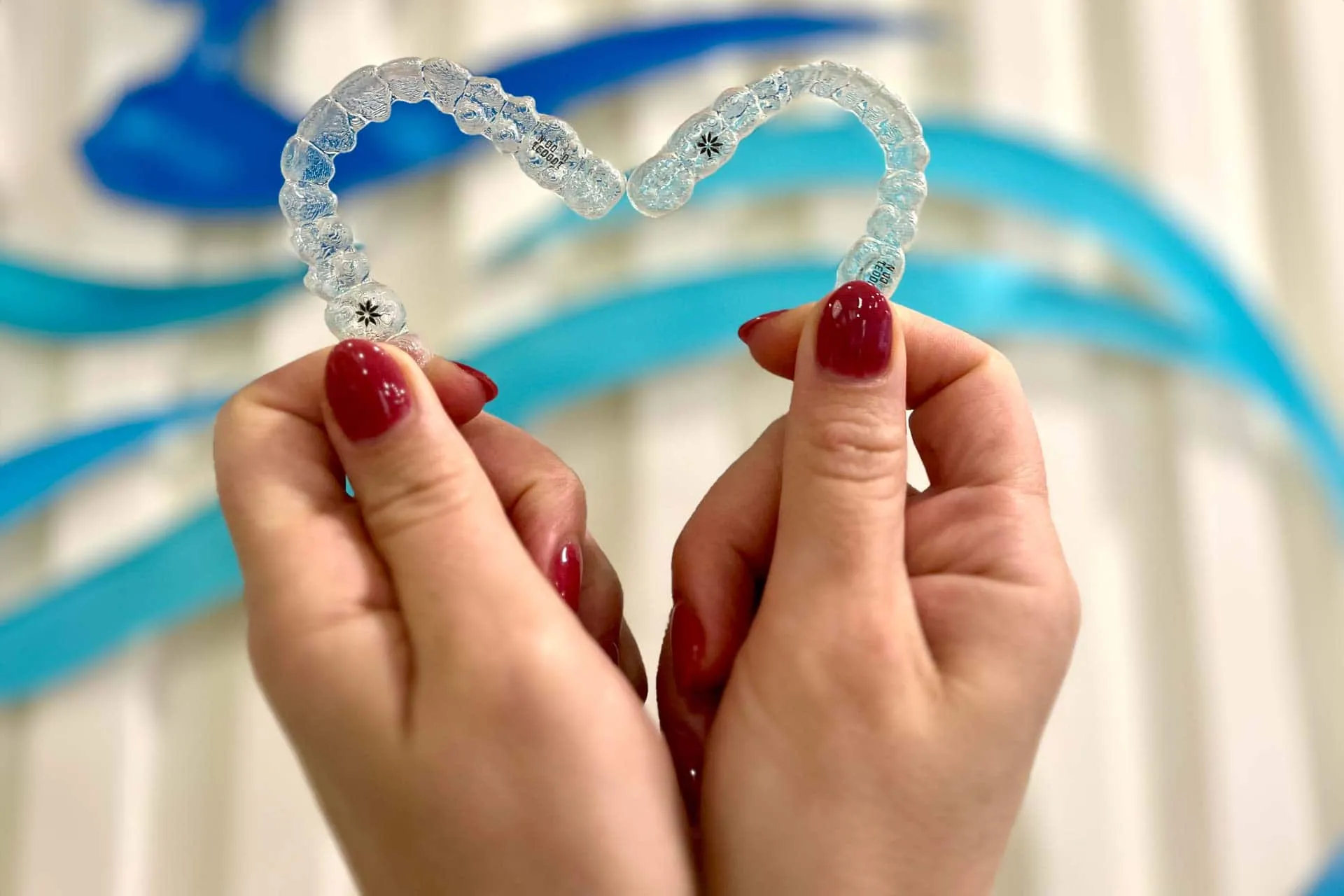
Invisalign First is a clear aligner system created specifically for kids ages 6 to 10 who still have a mix of baby teeth and permanent teeth (a stage called “mixed dentition”). Unlike traditional Phase 1 appliances, these custom-made aligners are removable and nearly invisible. They’re designed to address early concerns like narrow arches, crowding, and bite issues before they become more complex. This FDA-cleared treatment is only available through orthodontists who’ve completed specialized Invisalign training.
Invisalign First for Kids: A Fresh Phase 1 Option
Invisalign First works by using custom clear aligners worn 20 to 22 hours daily that gradually shift teeth and guide jaw development over 12 to 18 months. Each set of aligners moves your child’s teeth a small amount, and consistent wear is the key to results. The system is designed for growing mouths and accommodates both baby teeth and erupting permanent teeth. Because results depend on careful planning, this treatment is delivered by specially trained Invisalign providers who understand pediatric growth patterns.
The process starts with a quick, comfortable scan using digital technology. No goopy impressions here. Just a digital wand that captures a detailed 3D image of your child’s teeth in minutes. Kids often think it’s pretty cool to see their teeth pop up on screen.
From that scan, your orthodontist creates a custom treatment plan that maps out exactly how your child’s teeth will move, stage by stage. You’ll even get to preview the projected results before treatment begins.
Here’s what the process looks like:
- Initial scan and planning: Digital impressions create a precise treatment plan
- Custom aligners arrive: Each set is made specifically for your child’s teeth
- Daily wear: Your child wears aligners 20-22 hours per day
- Regular swaps: New aligners every 1-2 weeks keep teeth moving
- Progress check-ins: Visits every 6-10 weeks ensure everything’s on track
- Treatment completion: Most Phase 1 cases wrap up in 12-18 months
The aligners come out for meals, snacks, and brushing, making daily life much simpler than fixed appliances. Your child can eat their favorite foods and brush normally without working around brackets and wires.
Benefits of Invisalign First for Kids
Why do so many families choose Invisalign First over traditional Phase 1 options? The benefits go beyond looks. The top three advantages most families notice right away: easier brushing and flossing without metal in the way, zero food restrictions during the treatment, and a much more comfortable feel against young cheeks and gums. Below, here’s a closer look at each.
How Does Invisalign First Make Oral Hygiene Easier?
Since aligners pop out, your child brushes and flosses their actual teeth, not around metal hardware. That makes a real difference for cavity prevention and gum health while teeth are moving. Picture your kid actually being able to floss between molars without threading wax around a wire. Daily care looks a lot like it always has, just with the added step of rinsing the aligners.
No Food Restrictions, Period
Pizza, apples, popcorn at the movies. Nothing’s off-limits. Just remove the aligners, enjoy the snack, brush, and pop them back in. For families with active kids who play sports or attend birthday parties often, this flexibility is a real plus.
Comfort That Kids Actually Notice
Smooth plastic edges mean no poking wires or bracket irritation. Most kids adjust within a day or two of each new aligner. The clear aligners are barely noticeable, and many kids feel more confident without a mouth full of metal, especially in school photos.
How Do Wear Indicators Help?
Small blue dots on the aligners fade with wear time, helping you and your child track whether they’re hitting that 20 to 22 hour daily goal. It takes some of the guesswork out of compliance and gives kids a visual reminder of their own progress.
Is Invisalign First as Effective as Traditional Phase 1?
Invisalign First can expand narrow arches, create space for incoming teeth, and correct bite issues, all the things traditional Phase 1 appliances do, just with a different approach. Results in many cases are comparable when kids wear their aligners as directed.
Invisalign First vs. Traditional Phase 1 Braces
Both options can achieve excellent results for early treatment. The right choice depends on your child’s specific needs and lifestyle.
| Factor | Invisalign First | Traditional Phase 1 Braces |
|---|---|---|
| Appearance | Clear, nearly invisible | Visible metal brackets and wires |
| Removability | Removable for eating and cleaning | Fixed throughout treatment |
| Oral hygiene | Brush and floss normally | Requires special techniques around brackets |
| Diet | No restrictions | Avoid hard, sticky, and chewy foods |
| Comfort | Smooth plastic edges | Potential for bracket and wire irritation |
| Compliance | Requires consistent daily wear | Always working since it’s fixed |
| Adjustments | New aligners every 1-2 weeks | In-office wire adjustments |
The biggest consideration? Compliance. Invisalign First only works if your child actually wears the aligners. For some kids, the responsibility of managing removable aligners builds great habits. For others, a fixed appliance that does its job 24/7 might be the better fit.
Your orthodontist will help you weigh these factors based on your child’s maturity level, the specifics of their case, and your family’s preferences. Many practices walk through both options at a free consult.
What Affects the Cost of Invisalign First?
Three to four main factors shape the investment in Invisalign First: case complexity, treatment length, the number of aligner sets needed, and your insurance benefits. Pricing typically falls in a similar range to traditional Phase 1 braces. Most families find the day-to-day convenience well worth it. Here’s a closer look at each factor:
Treatment complexity: More significant crowding, spacing, or bite issues typically require more aligner sets and longer treatment times.
Number of aligners: Some cases need fewer stages than others. Your orthodontist can give you a clear picture after the initial evaluation.
Provider experience: Orthodontists with extensive Invisalign training and certification often achieve more predictable results.
Insurance benefits: Many dental plans with orthodontic coverage apply the same benefits to Invisalign First as they would to traditional braces. FSA and HSA funds typically qualify too.
Payment plans: Many practices offer low down payments and low monthly payment plans to make treatment accessible to more families. The financial info is usually reviewed in detail at the free consult so there are no surprises.
The exact investment depends on your child’s specific treatment plan, which an orthodontist can outline at the first visit.
Is Your Child a Candidate for Invisalign First?
Children ages 6 to 10 with mixed dentition (baby and permanent teeth) experiencing crowding, spacing, narrow arches, or bite issues are typical Invisalign First candidates. Not every child is a fit, but many are. Here’s what generally makes a good candidate:
Age and dental development: Kids between 6 and 10 with a mix of baby teeth and permanent teeth are in the sweet spot. This stage is called “mixed dentition,” and it’s when early treatment can guide jaw growth and create room for incoming teeth.
Common treatable issues include:
- Crowded teeth or lack of space for permanent teeth
- Gaps and spacing concerns
- Narrow upper or lower arches
- Crossbites, overbites, or underbites
- Protruding front teeth
Maturity matters: Your child needs to understand the importance of wearing aligners consistently. They don’t need to be perfect (the compliance indicators help), but a basic sense of responsibility goes a long way.
Parent partnership: As a parent, you’ll play an active role in your child’s treatment. That usually looks like:
- Reminding your child to put aligners back in after meals
- Keeping track of when it’s time to swap to the next set
- Making sure aligners don’t get tossed in a napkin at lunch
The only way to know for sure? An evaluation with an orthodontist trained in Invisalign First. Look for providers who hold an Invisalign Diamond+ Provider designation, which speaks to the volume and consistency of cases they handle. Free consults are commonly offered to assess your child’s teeth, discuss treatments, and answer all your questions.
Frequently Asked Questions
How long does Invisalign First treatment take?
Most Invisalign First cases take between 12 and 18 months to complete. The exact timeline depends on what’s being corrected and how consistently your child wears their aligners. A free consult will typically give you a more specific estimate based on your child’s needs.
Does Invisalign First hurt?
Kids typically feel some mild tightness for the first day or two after switching to a new aligner set. This is normal. It means the aligners are working. The sensation usually fades quickly, and most children find it much more comfortable than traditional braces with brackets and wires.
What happens if my child loses an aligner?
Don’t panic! Contact your orthodontist right away. Depending on where your child is in treatment, they may move to the next aligner set early or wear the previous set a bit longer while a replacement is made. Having a designated case for storage helps prevent lost aligners.
Can my child eat normally with Invisalign First?
Yes! Since aligners come out for meals and snacks, there are no food restrictions. Your child can enjoy all their favorites. Just make sure they brush before putting aligners back in to keep everything clean.
Will my child still need Phase 2 treatment later?
Possibly. Invisalign First addresses early issues while your child’s jaw is still growing. Once all permanent teeth come in (usually around age 12 to 14), a second evaluation determines if additional treatment is needed. Many kids who complete Phase 1 have shorter, simpler Phase 2 treatment, or sometimes none at all.
How is Invisalign First different from regular Invisalign?
Invisalign First is specifically engineered for smaller mouths and mixed dentition. The aligners accommodate baby teeth, erupting permanent teeth, and growing jaws. Regular Invisalign is designed for teens and adults with all their permanent teeth. Same technology, different application. Many orthodontic practices are trained in both systems.
Curious whether Invisalign First could be a good fit for your child? An orthodontist evaluation can determine if Invisalign First is appropriate for your child’s smile and stage of development. Early treatment can give young patients a head start on healthy, confident smiles. We educate, never push, so families can learn about every option and decide what feels right for their child.